Get Tree Crown Shaping
Tree Crown Shaping services help property owners improve tree health, safety, and appearance by pruning and trimming branches to prevent hazards and enhance landscape aesthetics.
Tree crown shaping services help property owners maintain the health and appearance of their trees through strategic pruning and trimming. If you’re considering ways to enhance your landscape, improve safety, or promote healthy growth, exploring local contractors who specialize in crown shaping can be a practical step. Whether managing overgrown branches, preparing for seasonal changes, or simply refining the shape of mature trees, the right service providers can assist in achieving your property’s aesthetic and functional goals.
Comparing options among local contractors ensures you find the right fit for your project’s specific needs. Many property owners in the area turn to professionals experienced in crown shaping to help manage their trees responsibly and effectively. Keep reading to learn more about how local service providers can support your landscape maintenance efforts and help you make informed decisions about your property’s tree care.
- Tree Crown Shaping - when trees have overgrown or uneven canopies that need to be balanced for safety and aesthetics.
- Tree Crown Thinning - to reduce weight and wind resistance in trees with dense foliage that may pose a risk during storms.
- Tree Crown Reduction - when trees have become too large for their space and require size management to prevent interference with structures or power lines.
- Tree Crown Reshaping - to restore the natural form of trees that have become misshapen or damaged over time.
- Selective Crown Pruning - when specific branches need removal to improve tree health or clearances without affecting the overall shape.
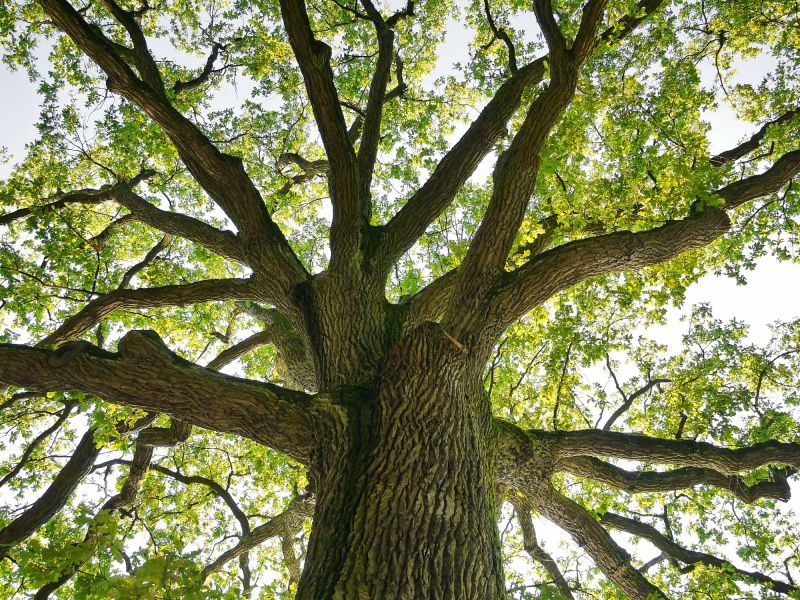
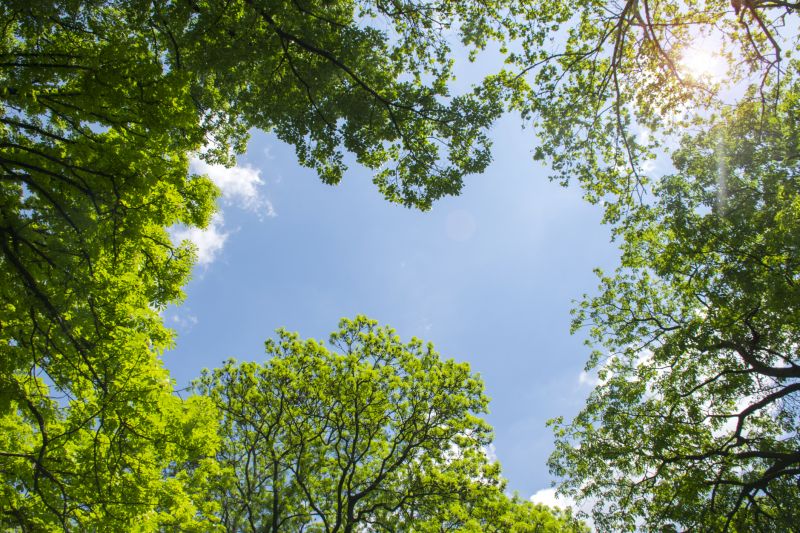
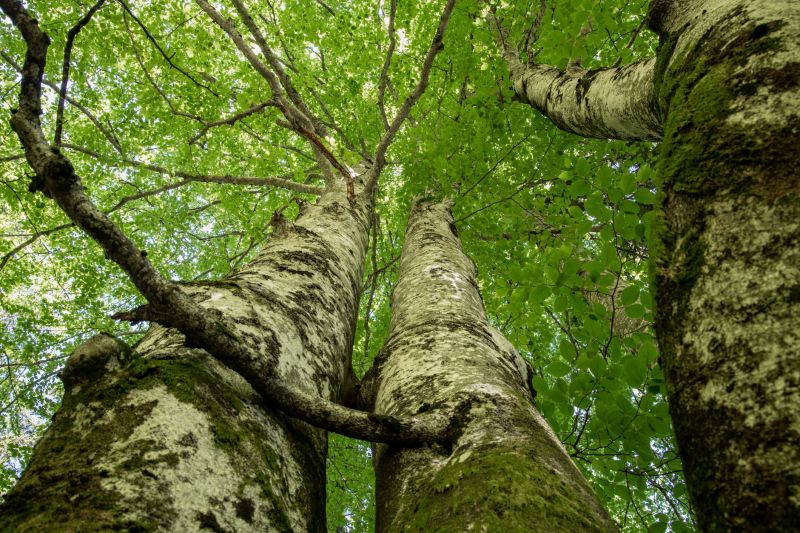
Tree crown shaping services involve carefully trimming and sculpting the upper parts of trees to improve their overall form and health. This process typically includes removing dead, damaged, or overgrown branches to create a balanced and aesthetically pleasing canopy. By selectively pruning the tree’s crown, professional contractors help ensure that the tree maintains a healthy structure, reduces the risk of branch failure, and promotes better airflow and sunlight penetration throughout the foliage.
This service can help address several common problems homeowners face with their trees. Overgrown or uneven canopies can pose safety concerns, especially during storms or high winds, as weakened branches may break and fall. Additionally, trees with poorly shaped crowns can obstruct views, interfere with power lines, or cause damage to nearby structures. Regular crown shaping can also prevent the development of disease by removing decayed or infected limbs, ultimately supporting the long-term health of the tree.
Properties that often utilize crown shaping services include residential yards, commercial landscapes, parks, and community spaces. Homes with mature trees that have become unruly or unbalanced benefit from professional shaping to improve safety and curb appeal. Commercial properties may rely on crown shaping to maintain a tidy appearance and prevent potential hazards. Urban areas with limited space often require careful pruning to keep trees healthy without encroaching on structures or pathways, making crown shaping a practical solution for many different property types.
Homeowners who notice their trees developing uneven growth, dead or broken branches, or branches that interfere with utility lines may find crown shaping services beneficial. This work is also useful when trees have become overgrown, blocking sunlight or views, or are at risk of losing branches during storms. By engaging local contractors skilled in crown shaping, property owners can help maintain the safety, health, and appearance of their trees, ensuring they remain a valuable part of the landscape.
The overview below groups typical Tree Crown Shaping projects into broad ranges so you can see how smaller, mid-sized, and larger jobs often compare in your area.
In many markets, a large share of routine jobs stays in the lower and middle ranges, while only a smaller percentage of projects moves into the highest bands when the work is more complex or site conditions are harder than average.
Smaller Crown Shaping - Typically costs between $250 and $600 for many smaller or routine crown shaping jobs. Many projects fall within this range, especially for minor adjustments or maintenance work. Larger, more complex jobs can exceed this amount.
Medium-Scale Crown Shaping - Most standard crown shaping projects for larger trees or moderate pruning range from $600 to $1,500. Many local contractors handle projects in this band regularly, with fewer reaching the higher end.
Large or Complex Crown Shaping - More extensive shaping or pruning of mature, large trees can cost from $1,500 to $3,500. These jobs often involve specialized equipment and techniques, making them less common but necessary for certain projects.
Full Crown Reshaping or Replacement - Complete overhauls or significant reshaping projects can reach $3,500 and above, with larger, more intricate jobs potentially exceeding $5,000. Such projects are less frequent and typically involve detailed planning and execution by experienced local service providers.
Actual totals will depend on details like access to the work area, the scope of the project, and the materials selected, so use these as general starting points rather than exact figures.
Tree Trimming and Pruning - professionals who shape tree crowns often perform precise trimming to improve structure and health, similar to crown shaping techniques.
Landscape Tree Care - local contractors experienced in managing tree growth and aesthetics can provide services that complement crown shaping projects.
Arborist Consulting - arborists offer expert advice on tree health and structural improvements, aligning with the planning involved in crown shaping.
Tree Removal and Stump Grinding - these services require careful planning and equipment use akin to the tools used in crown shaping for safety and precision.
Urban Tree Management - specialists managing trees in confined spaces utilize planning and skills similar to crown shaping to ensure safety and appearance.
Hedge Trimming and Topiary - shaping hedges and topiary involves detailed pruning and design skills comparable to tree crown shaping techniques.
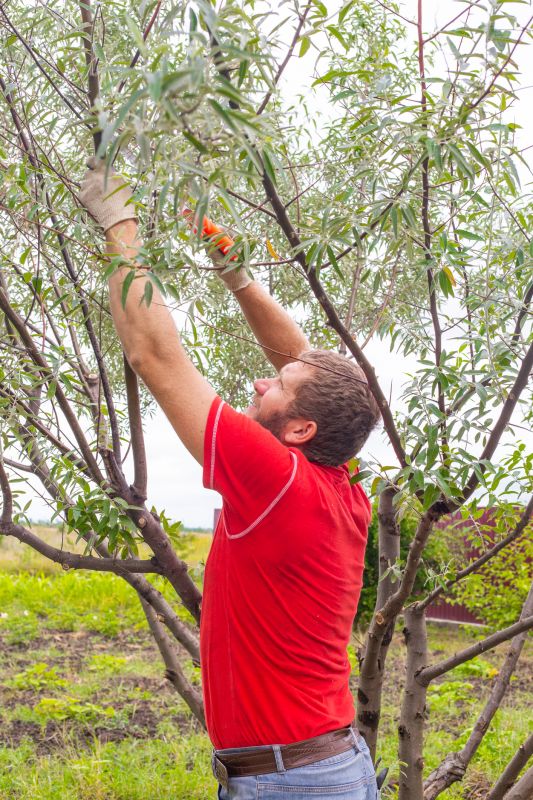
When comparing contractors for tree crown shaping services, it’s important to consider their experience with similar projects. Homeowners should look for local service providers who have a proven track record of handling tree shaping tasks comparable to their needs. This can include assessing the types of trees worked on, the techniques used, and the complexity of previous projects. An experienced contractor is more likely to understand the nuances of different tree species and can deliver results that align with the homeowner’s expectations.
Clear, written expectations are essential to ensure that both parties are aligned on the scope and details of the project. Homeowners should seek out local contractors who provide detailed proposals or work descriptions that outline what will be done, how it will be approached, and any specific considerations. Having this information in writing helps prevent misunderstandings and provides a reference point throughout the project. It also demonstrates professionalism and transparency on the part of the service provider.
Reputable references and good communication are key factors in selecting a reliable tree shaping contractor. Homeowners can ask local service providers for references from previous clients with similar projects to gauge satisfaction and quality of work. Additionally, observing how promptly and clearly a contractor responds to inquiries can indicate their level of professionalism and commitment to customer service. While this site introduces homeowners to local options, it does not perform the work itself, so taking the time to evaluate these qualities can help ensure a successful project with a trusted local contractor.
Property owners use Tree Crown Shaping services for practical projects around their homes and businesses. This guide focuses on everyday jobs and straightforward project options.
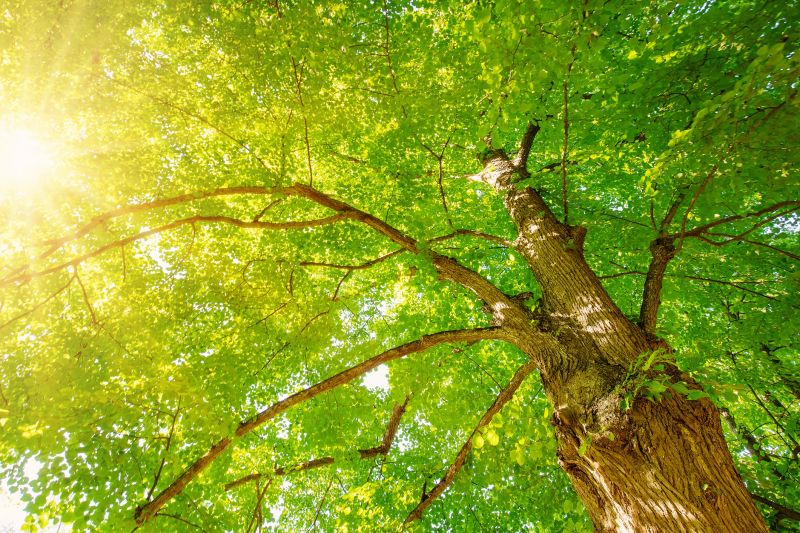

Tree crown shaping services are often needed when property owners notice overgrown or uneven tree canopies that may pose safety concerns or obstruct views. Local contractors can help improve the appearance of trees, making them look more balanced and aesthetically pleasing, especially in residential neighborhoods or commercial areas. This work can also be essential for maintaining the health of the tree, preventing branches from becoming weak or hazardous, and ensuring that trees do not interfere with power lines or nearby structures.
Property owners might seek crown shaping to prepare trees for seasonal changes or to address storm damage that has caused broken or hanging branches. Additionally, some individuals may want to enhance their landscape’s overall look or ensure their trees remain safe and manageable as they grow. Local service providers are equipped to handle these projects, offering professional trimming and shaping that helps keep trees healthy, safe, and visually appealing.
What is tree crown shaping? Tree crown shaping involves trimming and pruning trees to modify their overall shape, improve appearance, or promote healthier growth.
Why should I consider tree crown shaping? Tree crown shaping can enhance the aesthetic appeal of a property, reduce potential hazards from overgrown branches, and support the tree's health.
What types of trees can be shaped? Most deciduous and evergreen trees can be shaped, but suitability depends on the tree species and its condition. Local contractors can assess which options are best.
How do professionals determine the best shape for a tree? They evaluate the tree's species, growth pattern, and health to recommend a shaping style that maintains its natural form while achieving desired results.
What should I look for in a tree crown shaping service provider? Choose local contractors with experience in tree pruning and shaping, positive references, and a reputation for quality work in your area.
Tree Crown Shaping for Sunlight Access - Property owners can improve sunlight penetration in outdoor living areas by having tree canopies carefully shaped to reduce overgrowth.
Enhancing Tree Aesthetics and Property Value - Shaping the crowns of trees can enhance curb appeal and maintain a tidy appearance around the property.
Clearing Obstructions for Utility Lines - Local contractors can help clear branches that interfere with utility lines or other structures for safety and functionality.
Creating Space for Outdoor Activities - Adjusting tree crowns can open up space for gardens, patios, or play areas while preserving the health of the trees.
If you are thinking about Tree Crown Shaping for a property, this guide is meant to help you understand the work, the typical project types, and how different options might fit your plans.
When you are ready, you can use the quote form on this page to share a few details about your project. From there, local pros can review the basics and respond with options that match what you have in mind.