Deadwood Removal in San Jose, CA
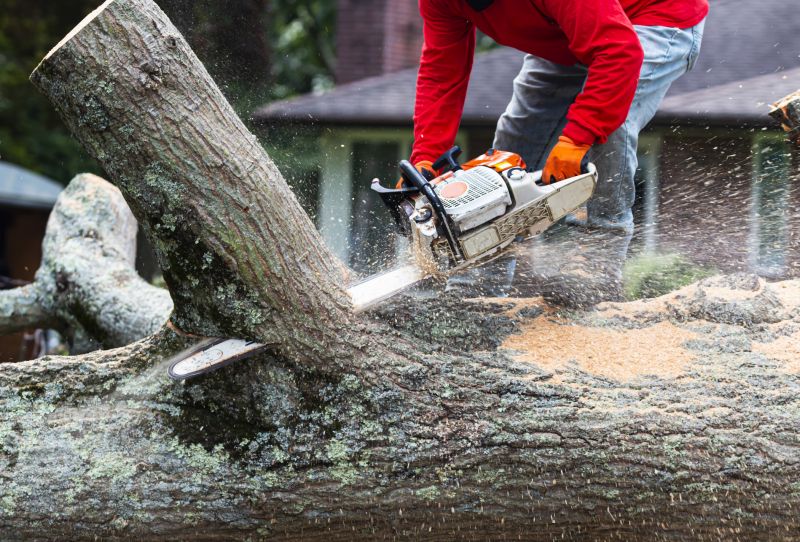
Deadwood removal services focus on safely and efficiently removing dead or hazardous trees, branches, and stumps from residential properties. This service covers a variety of projects, including removing fallen trees after storms, clearing overgrown or decayed trees that pose safety risks, and stump grinding to improve landscape aesthetics and functionality. Property owners often seek deadwood removal to prevent potential damage to structures, reduce the risk of falling limbs, and maintain a tidy, safe outdoor environment.
Before requesting deadwood removal, homeowners typically want to understand the scope of work involved, including whether the service includes stump grinding or complete tree removal. It’s also helpful to know if the work will impact surrounding plants or landscaping, and if any permits are necessary for larger tree removals. Clear communication about the size and location of the trees or branches in question can help ensure the project is completed efficiently and safely.
Many property owners in San Jose, CA look into Deadwood Removal for repairs, replacements, upgrades, and appearance-related improvements.
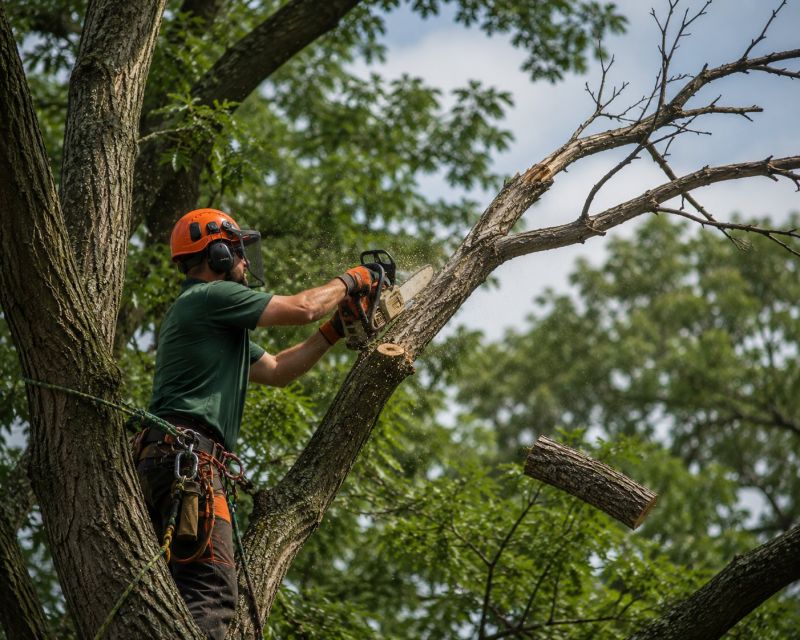
Types Of Deadwood Removed
Deadwood removal services can clear hazardous or unsightly branches and limbs from trees on residential and commercial properties.
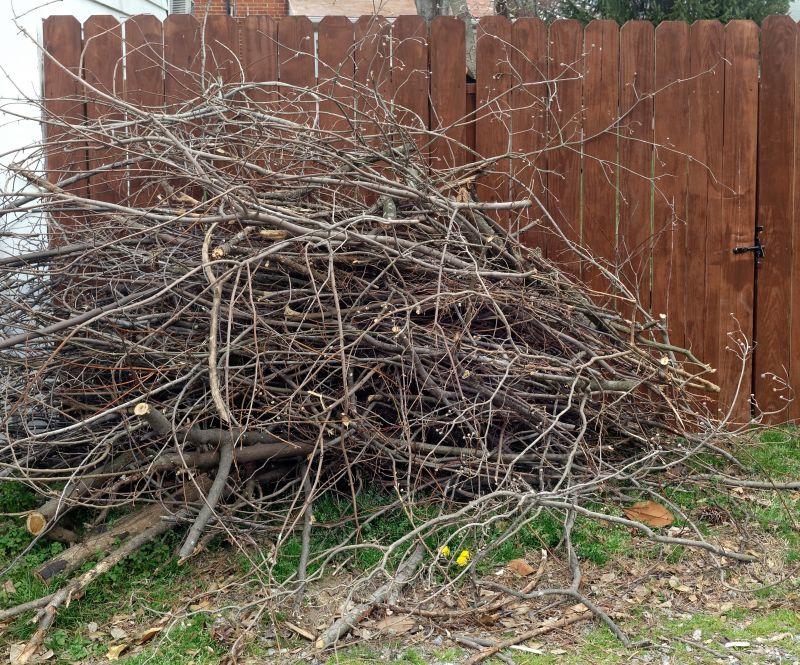
Safety And Property Protection
Removing deadwood helps prevent falling branches that could cause damage or injury in san jose neighborhoods.
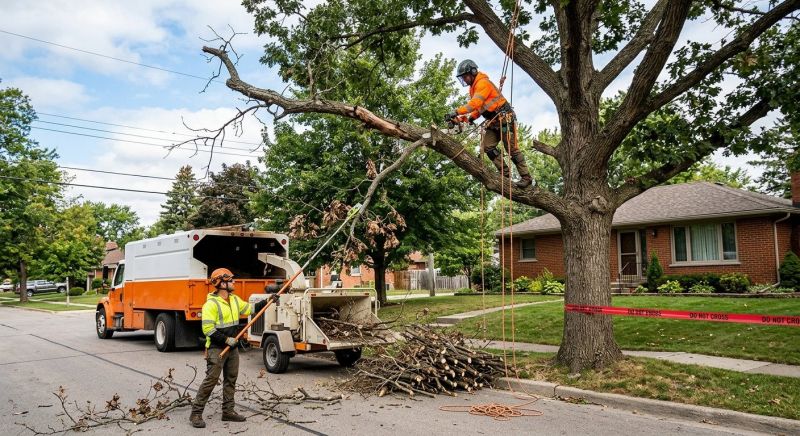
Benefits Of Deadwood Removal
Regular deadwood removal promotes healthier trees and enhances the appearance of any landscape.
Deadwood Removal in San Jose, CA
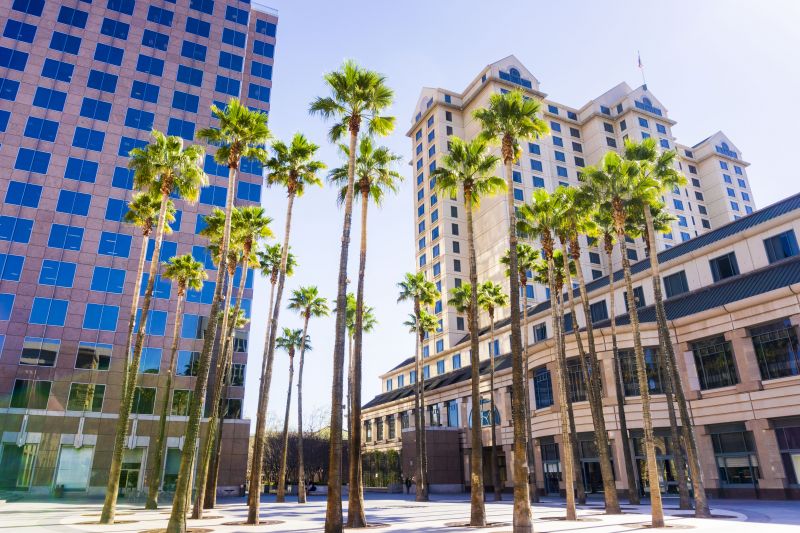
Deadwood removal services focus on safely and efficiently removing dead or hazardous trees, branches, and stumps from residential properties. This service covers a variety of projects, including removing fallen trees after storms, clearing overgrown or decayed trees that pose safety risks, and stump grinding to improve landscape aesthetics and functionality. Property owners often seek deadwood removal to prevent potential damage to structures, reduce the risk of falling limbs, and maintain a tidy, safe outdoor environment.
Before requesting deadwood removal, homeowners typically want to understand the scope of work involved, including whether the service includes stump grinding or complete tree removal. It’s also helpful to know if the work will impact surrounding plants or landscaping, and if any permits are necessary for larger tree removals. Clear communication about the size and location of the trees or branches in question can help ensure the project is completed efficiently and safely.
Many property owners in San Jose, CA look into Deadwood Removal for repairs, replacements, upgrades, and appearance-related improvements.
Common Deadwood Removal Jobs
Deadwood Removal - Clearing dead or decaying trees to improve landscape safety.
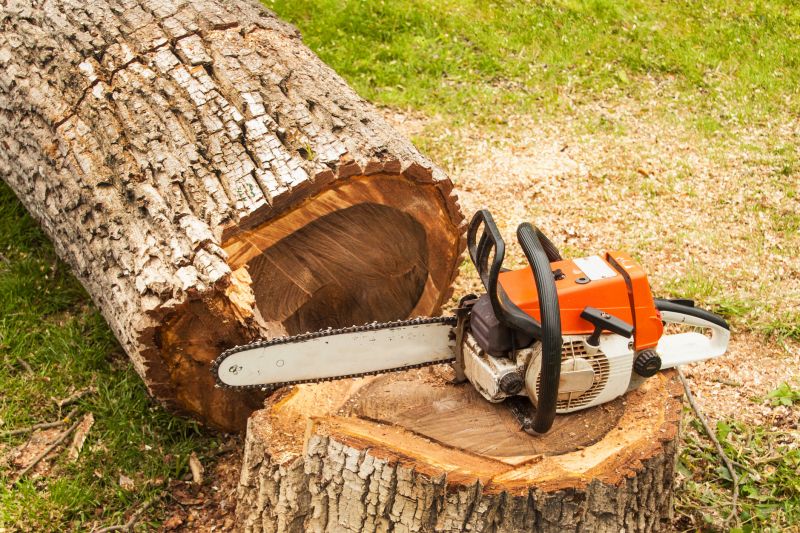
Stump Grinding - Removing tree stumps to prevent tripping hazards and pest issues.
Hazard Tree Removal - Eliminating trees that pose a risk to structures or people.
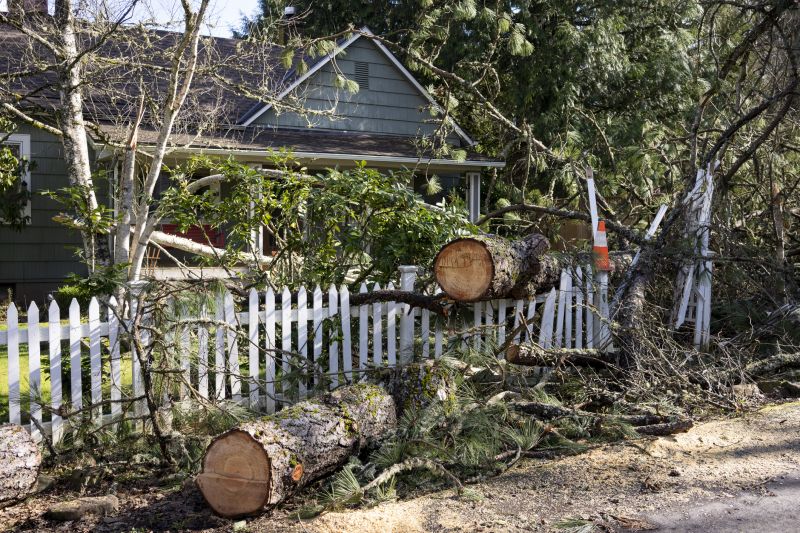
Emergency Deadwood Clearing - Responding to storm damage or fallen branches promptly.
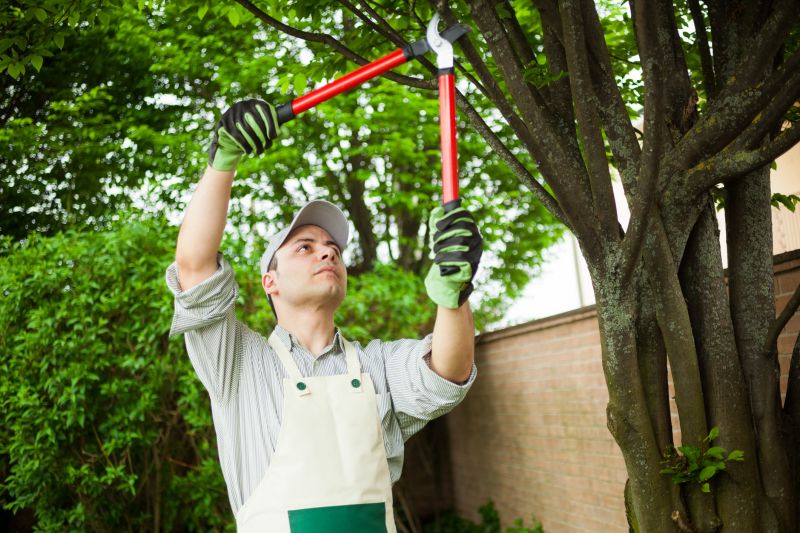
Selective Deadwood Trimming - Pruning dead branches to promote healthy tree growth.
Land Clearing - Removing deadwood from large areas for safety and aesthetic reasons.
Deadwood Removal Questions
What types of debris are removed during deadwood removal? Deadwood removal typically includes dead branches, broken limbs, and decayed wood from trees and shrubs.
Why should deadwood be removed from a property? Removing deadwood helps prevent potential hazards, promotes healthy growth, and maintains the appearance of the landscape.
Is deadwood removal suitable for all types of trees? Most trees and large shrubs can benefit from deadwood removal, but the approach may vary based on species and condition.
When is the best time to schedule deadwood removal? Deadwood removal can be performed year-round, with some prefering it during dormant seasons for minimal impact on plant health.
Request Deadwood Removal in San Jose, CA
Use the quote form on this page to share the basics of your project and request more information for the type of work you need.